
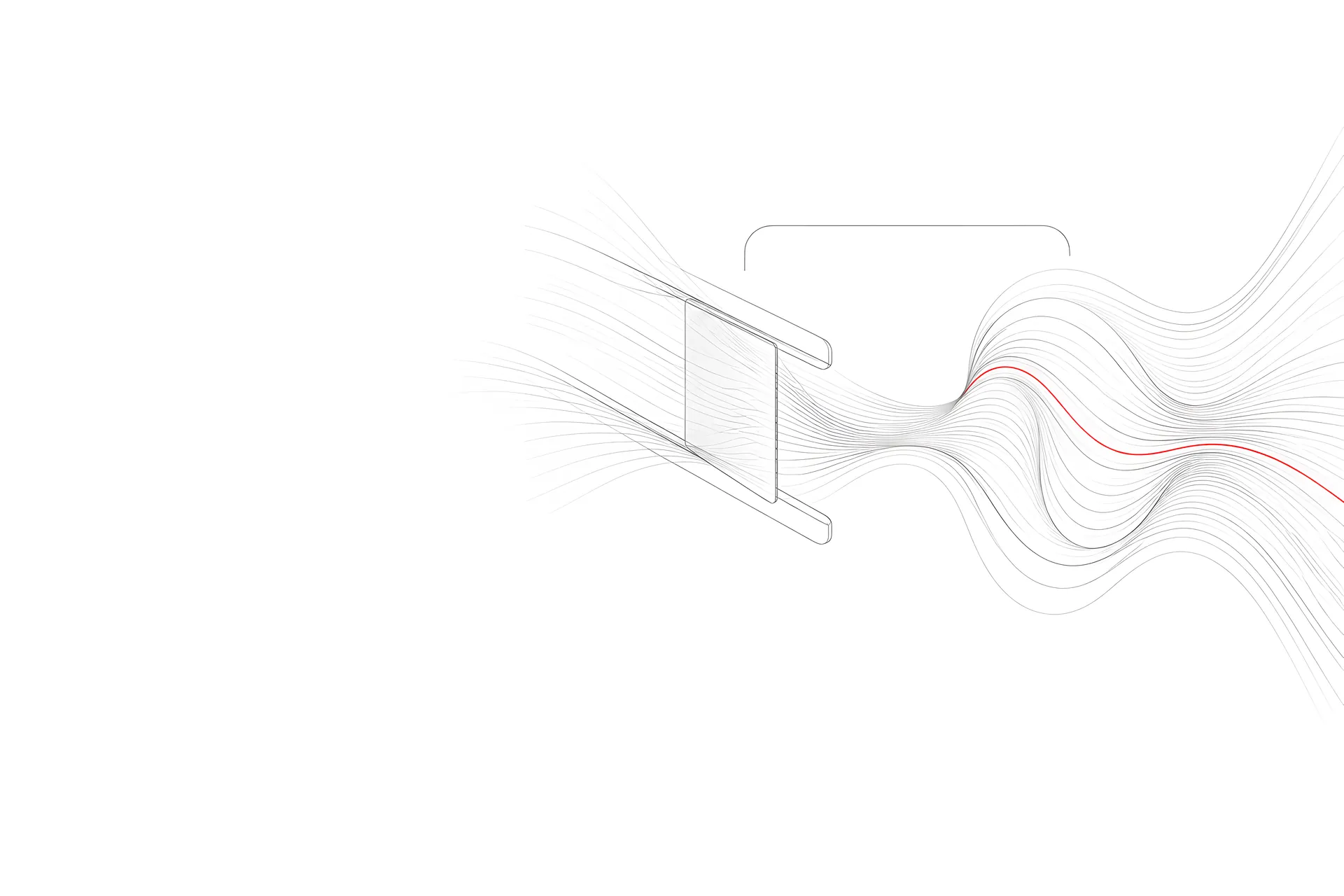
Multi-IMSI vs eUICC: identity vs profile
Multi-IMSI changes the IMSI on one card. eUICC replaces the operator profile. The choice follows hardware life, movement and who manages the fleet.
Multi-IMSI keeps several subscriber identities on one SIM and selects among them per country. eUICC stores complete operator profiles and swaps them over the air. Both can present a local identity in a market, but they change different things, depend on different hardware and leave different failure modes.
Key facts
- Multi-IMSI swaps the identity inside the card; eUICC swaps the whole operator profile.
- The multi-IMSI provider holds the identities; the eUICC brand or its platform holds the profiles.
- A failed multi-IMSI switch can leave the device without a valid identity in that market unless a fallback IMSI is defined; a failed eUICC download leaves no new profile.
- Neither removes registration, admission or roaming rules.
On this page
One changes the label; the other changes the contract
Multi-IMSI and eUICC solve the same visible problem, a device that needs to look local in more than one market, by changing different layers. Multi-IMSI selects another IMSI from a set stored on the card. eUICC downloads and enables another operator profile, which carries its own credentials, IMSI and applets.
That difference decides the hardware, the management model and the failure you have to plan for. A fleet that moves often and changes identity at a border leans multi-IMSI. A fleet with a long life, several markets and changing commercial terms leans eUICC. Neither choice is newer or better in general. A device that changes country every week needs a frequent, low-effort switch. A device that stays in one market for five years needs a profile it can replace without a visit.
What actually differs
| Item | Multi-IMSI | eUICC |
|---|---|---|
| Mechanism | Selects one of several IMSIs stored on the card | Downloads and enables a complete operator profile |
| What changes | The IMSI and the subscription behind it | The whole profile: credentials, IMSI and applets |
| Who manages it | The provider that holds the identities | The brand or its profile management platform |
| Failure mode | No identity is valid in the market | A profile download fails or has no bootstrap connection |
| Hardware | A removable SIM or an embedded chip with the applet | An eUICC, soldered or removable, with the right specification |
| Change granularity | Per country or network, often automatic | Per contract or fleet operation, managed remotely |
A device can support one mechanism and not the other. Confirm the module, the eUICC and the management platform together.
What changes at a switch
Under multi-IMSI, the card presents a different IMSI. The device detaches, the network authenticates the new identity, and the subscription behind that IMSI applies. The card, the device and the radio path do not change. The switch is a re-registration, so the data session is rebuilt and the application may see a gap.
Under eUICC, the device downloads a profile, installs it and enables it. The previous profile is disabled, and the new one brings its own credentials and network parameters. That is a larger change than an IMSI swap: it can alter the operator, the APN set and the services the profile supports. It also needs connectivity for the download, which is why the bootstrap path matters.
The multi-IMSI switch
IMSI 1 active
- Device
- eUICC
- Roaming identity IMSI 1
- Subscription
- Device
- eUICC
- Roaming identity IMSI 2
- Subscription
Text description
State A presents IMSI 1 and state B presents IMSI 2. The switch is a re-registration on the same card. An eUICC switch is different: it replaces the profile layer, not only the identity label, so the credentials and network parameters can change as well.
What neither solves
Neither removes registration, identity checks or admission rules. A local-looking IMSI does not exempt a device from line registration, and a downloaded local profile does not exempt it from the market's rules for foreign or long-lived devices. Neither solves permanent roaming, because a subscription that stays in one country too long can attract scrutiny whatever technology presents it. Neither creates coverage: if the destination operator does not run the band or the network, the identity does not help.
Neither changes the MSISDN by itself. A new identity or profile can come with a new number, an existing number or no number at all, depending on the commercial arrangement. If the application depends on a stable number for replies, ask how the number is managed across changes. This page is general information, not legal advice.
How the choice shows up in operations
Multi-IMSI keeps the operational weight on the provider. The card arrives with the identities and the policy, and the fleet team mostly watches which identity is active and whether the switch completed. A market change may need nothing from the device team, but it does need the provider to hold a valid identity there. When the provider changes its market list, the fleet inherits the change.
eUICC moves the weight to the brand or its platform. The team orders profiles, keeps the inventory of EID, ICCID and IMSI, and runs the download and enable steps. That is more work at the start and more control later: profiles can be suspended, replaced or retired per device. The team also owns the bootstrap problem, because a device with no connectivity cannot receive its first profile.
What to put in the contract
Ask who owns the identities or profiles, what happens when a market arrangement ends, and whether the device can move to another provider without a hardware change. For multi-IMSI, ask how the fallback identity is chosen and how quickly the provider updates the market list. For eUICC, ask whether profiles can be exported to another management platform and what the eUICC policy allows. Put the answer next to the market list, so a change can be traced to the arrangement that produced it.
Decision checklist
Put the market list, the test result and the contract terms in one record, so a change can be traced to the arrangement that produced it.
Check what you learned
-
What does an eUICC change that a multi-IMSI switch does not?
The whole operator profile: credentials, IMSI and applets. A multi-IMSI switch changes the IMSI and re-registers the device.
-
Which mechanism needs connectivity for the change?
The eUICC needs connectivity to download the new profile. A multi-IMSI switch happens on the card, though the device still needs radio coverage to re-register.
-
Do either remove local registration?
No. Registration, admission and roaming rules apply to the device and the subscription in both cases.
Answers are revealed on request. Nothing is scored, stored or sent.
FAQ
Does either avoid local registration?
Can a multi-IMSI SIM hold local numbers?
Do we own the eSIM profiles?
Can a fleet combine multi-IMSI and eUICC?
Which one fits a long-lived fleet?
Related
- Permanent roaming, country by country
How long a foreign SIM may roam before it needs a local profile, for Brazil, Mexico and Colombia, with the decision path to the right product.
- SGP.32 for IoT devices
What SGP.32 changes for IoT fleets, which devices qualify, and why SGP.02 devices cannot be upgraded over the air.
- eUICC identifier (EID)
The eUICC identifier, separate from the subscription.
Related products

Put this to work
Tell us the traffic, the destination and the measurement you need; we reply with the next step.